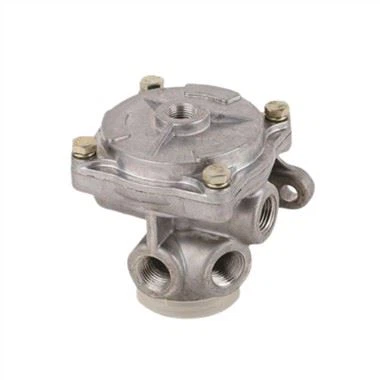
A trunnion shaft serves as the mechanical pivot enabling rotational movement while managing high-stress loads in dynamic systems. Its design integrates cylindrical protrusions (trunnions) that act as bearings, providing structural stability and motion control across automotive, industrial, and heavy equipment applications.
1. Core Pivoting Mechanism
Rotation & Articulation:
The trunnion shaft's cylindrical ends function as precision pivots, allowing connected components (e.g., hydraulic cylinders, drive shafts) to rotate smoothly at variable angles-up to 15°–30° in automotive U-joints. This flexibility accommodates misalignment during operation, such as suspension movement in trucks or boom adjustments in cranes.
Torque Transmission:
Transfers rotational force between power sources and driven components. For example, in excavators, it converts hydraulic pressure into bucket movement, maintaining consistent power delivery under heavy loads.
2. Critical Load Management
Radial & Axial Load Support:
Engineered to absorb forces from multiple directions:
Radial Loads: Vehicle weight on drive shafts.
Torsional Stress: Engine torque fluctuations during acceleration.
Bending Moments: Uneven terrain impacts on construction equipment.
Stress Distribution:
Hardened steel or alloy construction disperses pressure across bearings, preventing localized wear and extending component lifespan.
3. Precision Alignment & Stability
Minimizes Vibration:
Secures moving parts (e.g., gears, pulleys) in exact positions, reducing imbalance-induced vibrations. Worn trunnions cause clunking noises and uneven tire wear in vehicles.
Zero-Defect Positioning:
In CNC machinery, trunnion shafts enable sub-millimeter accuracy for angular workpiece adjustments during milling or drilling.
4. Material & Design Innovations
Advanced Alloys:
High-carbon steel (AISI 1045/1050) for wear resistance; titanium/carbon fiber composites for lightweight strength.
Integrated Bearings:
Needle bearings encase trunnion ends, lubricated to resist dust/moisture ingress-critical in mining or marine environments.
5. Industry-Specific Applications
Automotive:
Driveshaft U-joints rely on trunnions to transfer engine power to wheels while accommodating suspension travel.
Heavy Machinery:
Excavator booms use trunnions for multi-axis articulation, supporting forces exceeding 20 tons.
Aerospace:
Actuates control surfaces (e.g., wing flaps) with fail-safe precision.
Why Trunnion Shafts Define System Reliability
The trunnion shaft's dual role as a load-bearing pivot and torque transmitter makes it indispensable. Its failure causes catastrophic downtime-highlighting the need for:
Proactive Maintenance: Regular lubrication and seal inspections.
Material Upgrades: Forged alloys for extreme environments (e.g., desert mining).
Smart Sensors: Embedded IoT monitors for real-time stress analytics.