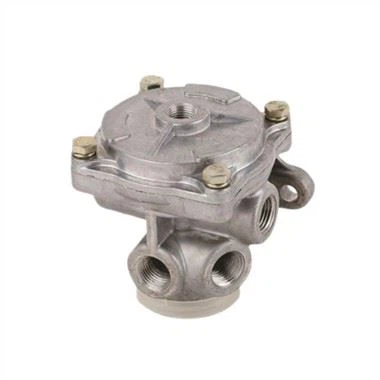
The King Pin Kit is a crucial component of a vehicle's suspension system, especially in heavy-duty vehicles. It plays a pivotal role in steering control and stability, making it essential to recognize the signs indicating when a replacement may be necessary. Timely replacement ensures the vehicle's optimal performance and, most importantly, safety on the road.
1. Excessive Wear and Tear: Over time, the components of a King Pin Kit, particularly the bushings and bearings, can wear out due to constant movement and stress. If you notice significant wear, deformation, or visible damage during inspections, it's a clear indication that a replacement is warranted.
2. Looseness or Play in Steering: If there is noticeable play or looseness in the steering wheel, it could be a result of a worn-out king pin or bushings. This can lead to imprecise steering control, making it difficult to maintain a straight path or execute precise turns.
3. Irregular Tire Wear: Improperly functioning king pins can cause irregular tire wear, such as uneven tread wear or bald spots. If your tires are wearing unevenly, it might be due to misalignment caused by a worn-out or damaged king pin.
4. Difficulty in Steering: If you find it challenging to steer your vehicle or experience stiffness in the steering wheel, it's a warning sign that the king pin or associated components may be deteriorating. Difficulty in steering can compromise your ability to maneuver the vehicle safely.
5. Unusual Noises: Unusual squeaks, clunks, or grinding noises coming from the front of the vehicle, especially during steering or going over bumps, can indicate problems with the king pin. These noises suggest that the components are not functioning smoothly and require inspection and potential replacement.
6. Failed Inspections: During routine vehicle inspections or maintenance checks, if a technician identifies excessive wear or damage to the king pin components, they may recommend a replacement. Adhering to their professional advice is crucial for maintaining the safety and efficiency of your vehicle.
7. High Mileage: As a preventive measure, if your vehicle has covered a considerable mileage, it's advisable to proactively consider replacing the King Pin Kit. High mileage increases the likelihood of wear and tear on suspension components, making periodic replacements a necessity.
8. Vehicle Handling Issues: Any noticeable changes in the vehicle's handling, such as drifting to one side, pulling, or instability, may be attributed to a faulty king pin. Addressing these handling issues promptly is crucial for safe and controlled driving.
The condition and proper functioning of the King Pin Kit are paramount for the vehicle's steering, alignment, and overall safety. Regular inspections, adherence to maintenance schedules, and immediate action upon observing any signs of wear or issues are key to determining when to replace the King Pin Kit in your vehicle.