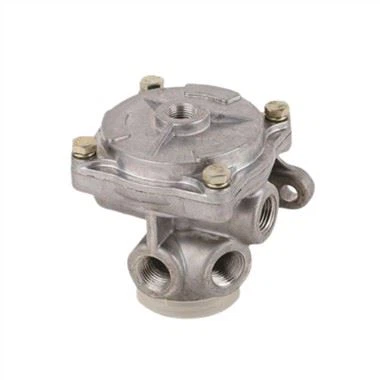
Installing a clutch booster requires precision to ensure smooth clutch operation and avoid damage to the transmission or hydraulic system. Follow these steps for a safe and effective installation:
Tools and Materials Needed
New clutch booster (OEM or custom-matched to your vehicle)
Wrench set, screwdrivers, and torque wrench
Brake cleaner or degreaser
Hydraulic fluid (for hydraulic systems)
Vacuum pump (for vacuum boosters)
Jack and jack stands
Safety glasses and gloves
Step-by-Step Installation Guide
1. Safety First
Park the vehicle on a flat surface, engage the parking brake, and disconnect the battery.
Lift the vehicle with a jack and secure it on jack stands.
2. Remove the Old Clutch Booster
Hydraulic Systems:
Drain the clutch fluid from the master cylinder reservoir using a syringe or turkey baster.
Disconnect the hydraulic lines from the booster. Plug the lines to prevent contamination.
Unbolt the booster from the firewall or pedal assembly.
Vacuum Systems:
Detach the vacuum hose from the booster and intake manifold.
Remove mounting bolts securing the booster to the firewall.
3. Prepare the New Clutch Booster
Compare the new booster with the old one to ensure matching ports, mounting points, and dimensions.
For hydraulic systems, pre-fill the booster with fresh fluid to reduce air ingress.
4. Install the New Booster
Secure the booster to the firewall using the manufacturer's specified torque settings (typically 15–25 Nm).
Reconnect components:
Hydraulic: Attach fluid lines and tighten fittings.
Vacuum: Connect the vacuum hose to the booster and intake manifold.
For hydraulic systems, bleed the clutch system to remove air:
Have a helper press the clutch pedal while you open the bleed valve on the slave cylinder.
Close the valve once fluid flows without bubbles. Repeat until the pedal feels firm.
5. Adjust the Clutch Pedal
Check pedal free play (usually 5–10 mm). Adjust the pushrod length if necessary to match OEM specs.
6. Test the Installation
Reconnect the battery and start the engine.
Test the clutch pedal:
It should engage smoothly without excessive effort or sponginess.
For vacuum systems, ensure the pedal sinks slightly when the engine starts.
Check for leaks (hydraulic) or hissing (vacuum).
Critical Tips to Avoid Mistakes
Torque Matters: Over-tightening mounting bolts can warp the booster or firewall.
Bleed Thoroughly: Air in hydraulic systems causes poor clutch disengagement.
Use OEM Fluid: Wrong fluid types can damage seals.
When to Seek Professional Help
If the pedal remains stiff or fails to engage after installation.
If unfamiliar with hydraulic/vacuum systems or lack specialized tools.
Post-Installation Checks
Road-test the vehicle to confirm smooth gear shifts.
Re-inspect bolts and connections after 100 miles of driving.