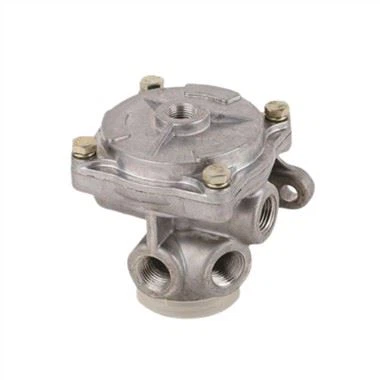
Identifying a failing clutch booster is critical to maintaining smooth gear shifts and preventing clutch system damage. Here are the key signs and steps to determine if your clutch booster needs replacement:
1. Common Symptoms of a Faulty Clutch Booster
Increased Pedal Effort:
The clutch pedal feels extremely hard to press, even with normal force. This is the most obvious sign of a failing booster.
Spongy or Inconsistent Pedal Feel:
The pedal may feel soft, sink to the floor, or return slowly due to air or fluid leaks in the booster's hydraulic/vacuum system.
Unusual Noises:
Hissing sound (vacuum booster): Indicates a leak in the vacuum hose or diaphragm.
Grinding or squeaking (hydraulic booster): Suggests internal seal failure or air in the system.
Poor Clutch Engagement:
Difficulty shifting gears, gears grinding, or the clutch failing to disengage fully.
Fluid Leaks:
Hydraulic clutch boosters may leak brake/clutch fluid near the master cylinder, slave cylinder, or booster unit.
2. Visual and Functional Checks
For Vacuum Boosters:
Inspect the Vacuum Hose:
Check for cracks, splits, or loose connections between the booster and engine intake manifold.
With the engine running, listen for a hissing noise near the hose (indicates a leak).
Test Vacuum Pressure:
Use a vacuum gauge to measure pressure at the booster hose (typical range: 18–22 in-Hg). Low pressure = leak or diaphragm failure.
For Hydraulic Boosters:
Check Fluid Levels:
Low fluid in the clutch/brake reservoir may indicate a leak in the booster or hydraulic lines.
Look for Fluid Stains:
Puddles or wet spots under the vehicle (clear or amber fluid = clutch fluid; dark fluid = engine oil).
3. Simple Diagnostic Tests
Pedal Test (Engine On vs. Off):
With the engine off, press the clutch pedal several times to release residual pressure.
Hold the pedal down and start the engine.
If the pedal sinks slightly (normal), the booster is working. No movement = booster failure.
Pump the Pedal:
If pumping the clutch pedal temporarily improves performance, air or fluid leaks are likely.
4. When to Seek Professional Help
If you're unsure about diagnosing the issue.
If the clutch system shows multiple symptoms (e.g., fluid leaks + hard pedal).
For complex hydraulic systems, professional bleeding or pressure testing may be required.
5. Risks of Ignoring a Faulty Booster
Complete clutch failure, leaving you stranded.
Damage to the clutch disc, pressure plate, or transmission.
Safety hazards due to sudden loss of clutch control.