


Hey there! As a supplier of Slave Pumps, I've been getting a lot of questions lately about the role of the shaft in a slave pump. So, I thought I'd take some time to break it down for you all.
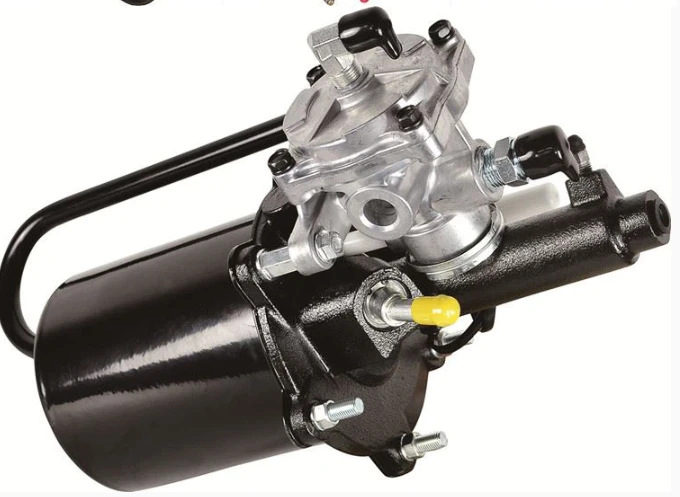
First off, let's talk about what a slave pump is. A slave pump is an essential part of many hydraulic systems. It works in tandem with a master pump to transfer fluid and create the necessary pressure for the system to function properly. You might find slave pumps in various applications, like in Brake Vacuum Booster Pump systems or Hydraulic Clutch Booster setups.
Now, let's zero in on the shaft. The shaft in a slave pump is like the backbone of the whole operation. It's a long, cylindrical component that plays a crucial role in the transfer of power and motion within the pump.
One of the primary functions of the shaft is to connect the different parts of the pump. It usually runs through the center of the pump and is connected to the impeller or the piston, depending on the type of slave pump. When the master pump sends fluid under pressure to the slave pump, the shaft helps to transfer this energy to the moving parts of the slave pump.
For instance, in a piston - type slave pump, the shaft is connected to the piston. When the fluid pressure from the master pump acts on the piston, the piston moves. The shaft then transfers this linear motion to other parts of the system, which might be used to operate a clutch or a brake. This transfer of motion is what allows the hydraulic system to perform its intended function.
In an impeller - based slave pump, the shaft rotates the impeller. The impeller is designed to move the fluid through the pump. As the shaft spins the impeller, the impeller creates a flow of fluid, which is then sent to the rest of the hydraulic system. This flow of fluid is what generates the pressure needed for the system to work.
Another important aspect of the shaft is its role in maintaining the alignment of the pump components. A well - aligned shaft ensures that the impeller or the piston moves smoothly and efficiently. If the shaft is misaligned, it can cause a lot of problems. For example, it can lead to uneven wear on the pump components, which can reduce the pump's lifespan and efficiency. It might also cause the pump to vibrate excessively, which can be a sign of trouble and can even damage other parts of the hydraulic system.
The material of the shaft is also crucial. It needs to be strong enough to withstand the forces acting on it during the operation of the pump. Most shafts are made of high - strength metals like steel or aluminum alloy. Steel shafts are known for their durability and ability to handle high - pressure applications. Aluminum alloy shafts, on the other hand, are lighter, which can be an advantage in some applications where weight is a concern.
In addition to its mechanical functions, the shaft also has a role in the sealing of the pump. The shaft often passes through seals in the pump housing. These seals are designed to prevent fluid from leaking out of the pump. A properly designed and maintained shaft helps to ensure that the seals work effectively. If the shaft is damaged or worn, it can compromise the sealing, leading to fluid leaks. Fluid leaks not only waste hydraulic fluid but can also cause the system to lose pressure and malfunction.
Let's talk a bit about the maintenance of the shaft. Regular inspection of the shaft is essential. You should check for signs of wear, such as scratches, dents, or corrosion. If you notice any of these issues, it's important to address them promptly. Minor wear can sometimes be fixed by polishing the shaft, but more severe damage might require replacing the shaft.
Lubrication is also a key part of shaft maintenance. Proper lubrication reduces friction between the shaft and the other components it comes into contact with. This not only helps to extend the life of the shaft but also improves the overall efficiency of the pump.
Now, if you're in the market for a slave pump, you might be wondering about the Clutch Booster Price. At our company, we offer a wide range of high - quality slave pumps at competitive prices. Our pumps are designed with the latest technology to ensure optimal performance and reliability.
Whether you're looking for a slave pump for a brake system or a clutch system, we've got you covered. Our team of experts can help you choose the right pump for your specific needs. We understand that every hydraulic system is unique, and we're committed to providing solutions that work for you.
If you're interested in learning more about our slave pumps or have any questions about the role of the shaft or any other aspect of our products, don't hesitate to reach out. We're here to assist you with all your slave pump needs. Contact us today to start a discussion about your requirements and see how we can help you get the best hydraulic solution for your application.
References

- "Hydraulic Systems Handbook"
- "Pump Technology and Applications"


