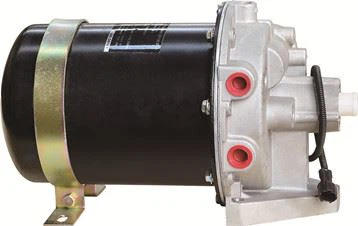
What is the power consumption of an air dryer booster?
As a trusted supplier of Air Dryer Booster, I am often asked about the power consumption of these indispensable devices. Understanding the power consumption of an air dryer booster is crucial for a variety of reasons, from cost - effectiveness in industrial applications to efficient resource management.
How air dryer boosters work
Before delving into power consumption, let's briefly understand how air dryer boosters operate. These devices are designed to increase the pressure of compressed air or gas. They are commonly used in industries where high - pressure air is required for processes such as pneumatic tools, instrumentation, and automation systems. The basic principle involves taking in low - pressure air and using mechanical means, like pistons or diaphragms, to compress it to a higher pressure.
The compression process is energy - intensive. An electric motor typically drives the moving parts of the air dryer booster. When the motor runs, it consumes electrical power, which is the main contributor to the overall power consumption of the device.
Factors affecting power consumption
There are several factors that influence how much power an air dryer booster consumes. One of the most significant factors is the size and capacity of the booster. Larger boosters, which are capable of handling higher volumes of air or achieving greater pressure increases, generally consume more power. For example, a booster designed to handle industrial - scale operations where large amounts of high - pressure air are required will have a more powerful motor and thus a higher power consumption rate compared to a smaller, domestic - use booster.
The pressure ratio is another crucial factor. The pressure ratio is the ratio between the output pressure and the input pressure of the booster. A higher pressure ratio means that the booster has to work harder to compress the air to the desired output pressure. This requires more energy from the motor, resulting in increased power consumption. For instance, if a booster needs to increase the input air pressure from 20 psi to 100 psi, the power consumption will be significantly higher than if it only needs to boost the pressure from 20 psi to 40 psi.
The duty cycle also plays a role in power consumption. The duty cycle refers to the amount of time the booster is in operation over a given period. A booster with a high duty cycle, meaning it runs continuously or for long periods, will consume more power than one with a low duty cycle. In some industrial settings, boosters may run 24/7 to meet the constant demand for high - pressure air, leading to substantial power usage.
The efficiency of the booster itself is a determining factor. Modern air dryer boosters are designed with advanced technologies to improve efficiency. A more efficient booster will convert a higher percentage of the electrical energy it consumes into useful work (compressing the air), resulting in lower power consumption. Older or poorly maintained boosters may have lower efficiency, causing them to use more power to achieve the same level of compression.
Measuring power consumption
Power consumption is typically measured in kilowatt - hours (kWh). To calculate the power consumption of an air dryer booster, you need to know the power rating of the motor (in kilowatts) and the amount of time the booster is in operation. The formula for calculating power consumption is:
Power consumption (kWh)=Power rating (kW)×Operating time (h)
For example, if an air dryer booster has a motor with a power rating of 2 kW and it runs for 5 hours a day, its daily power consumption would be 2 kW×5 h = 10 kWh.
Cost - wise, knowing the power consumption helps businesses budget their electricity expenses. If your business uses multiple air dryer boosters, the cumulative power consumption can have a significant impact on your energy bills.
Comparison of different types of air dryer boosters
When it comes to different types of air dryer boosters, they vary in power consumption. Piston - type air dryer boosters are commonly used due to their reliability and ability to achieve high pressures. However, these boosters can be relatively energy - intensive, especially at high - pressure ratios and continuous operation. Their design involves more moving parts, which require more energy to operate.
On the other hand, diaphragm - type air dryer boosters are generally more energy - efficient. They use flexible diaphragms to compress the air, which reduces friction and mechanical losses. Diaphragm boosters are also quieter and have fewer maintenance requirements. So, for applications where energy efficiency is a top priority, diaphragm - type air dryer boosters may be a better choice, despite their typically lower maximum pressure capabilities compared to piston - type boosters.
The role of power consumption in procurement decisions
For businesses looking to purchase an air dryer booster, power consumption should be a key consideration. In addition to the upfront cost of the booster, the long - term energy costs associated with running the device can be substantial. For example, Air Master Booster Price may give you an idea of the initial investment, but if you don't consider power consumption, you might end up with a more expensive option in the long run.
Similarly, when comparing the Vacuum Pump Brake Booster Cost, it is essential to factor in the power consumption to make a truly cost - effective decision. A lower - priced booster might have a higher power consumption rate, resulting in higher electricity bills over time.
Making your air dryer booster more energy - efficient
If you already have an air dryer booster, there are steps you can take to reduce its power consumption. Regular maintenance is crucial. Keeping the moving parts well - lubricated, replacing worn - out components, and ensuring proper alignment can improve the efficiency of the booster and reduce power usage.


Optimizing the operating conditions can also help. For example, adjusting the pressure settings to the lowest level that still meets your process requirements can reduce the workload on the booster and thus its power consumption. Additionally, using the booster only when necessary and implementing a proper control system to manage its operation can lead to significant energy savings.
Conclusion
In conclusion, the power consumption of an air dryer booster is influenced by multiple factors, including its size, pressure ratio, duty cycle, and efficiency. Understanding these factors is essential for making informed procurement decisions and managing energy costs effectively. As a supplier of air dryer boosters, we are committed to providing our customers with high - quality, energy - efficient products.
If you are interested in learning more about our air dryer boosters or would like to discuss the power consumption requirements for your specific application, we encourage you to reach out to us. Our team of experts is ready to assist you in choosing the right booster and optimizing its performance to minimize power consumption and maximize cost - effectiveness.
References
- Compressed Air and Gas Handbook, Seventh Edition
- Industrial Equipment Power Consumption Guides
- Best Practices for Energy - Efficient Pneumatic Systems