


A truck's steering system is a complex and crucial component that ensures safe and efficient operation on the road. Among its many parts, the steering arm plays a pivotal role in translating the driver's input into the movement of the wheels. A loose truck steering arm, however, can have far - reaching effects on the steering performance of the vehicle, which I'll explore in detail as a supplier of Truck Steering Arm.
1. Basic Function of the Truck Steering Arm
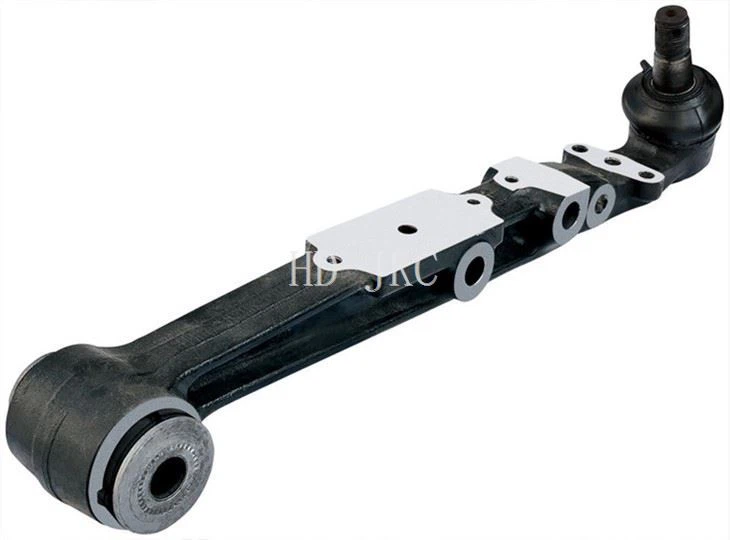
Before delving into the effects of a loose steering arm, it's essential to understand its function. The steering arm is a mechanical link that connects the steering gearbox or the steering rack to the steering knuckle of the wheel. When the driver turns the steering wheel, the steering gearbox or rack converts the rotational motion into linear motion. This linear motion is then transmitted through the steering arm to the steering knuckle, causing the wheels to turn. In essence, the steering arm acts as a bridge between the driver's control and the actual movement of the wheels.
2. Reasons for a Loose Truck Steering Arm
There are several reasons why a truck steering arm might become loose. Over time, normal wear and tear can cause the bolts and nuts that secure the steering arm to loosen. Vibration from the road, especially on rough terrains, can gradually shake these fasteners loose. Additionally, if the truck has been in an accident or has hit a pothole or curb with significant force, it can damage the steering arm or its mounting points, leading to looseness. Another factor could be improper installation during maintenance or repair work. If the steering arm is not tightened to the correct torque specifications, it will likely become loose during operation.
3. Effects on Steering Precision
One of the most immediate effects of a loose truck steering arm is a loss of steering precision. When the steering arm is loose, there is play in the steering system. This means that when the driver turns the steering wheel, the wheels may not respond immediately or may not turn to the exact angle intended. For example, a small turn of the steering wheel might result in a delayed or exaggerated movement of the wheels. This lack of precision can make it difficult for the driver to maintain a straight course on the highway or to make accurate turns at intersections. In tight - maneuvering situations, such as backing into a loading dock or navigating a narrow alley, the problem becomes even more pronounced, increasing the risk of collisions.
4. Impact on Steering Responsiveness
Steering responsiveness is also severely affected by a loose steering arm. A responsive steering system allows the driver to quickly and smoothly change the direction of the truck in response to traffic conditions or obstacles. However, a loose steering arm introduces a delay in the transfer of motion from the steering wheel to the wheels. This delay can be particularly dangerous in emergency situations, such as when the driver needs to suddenly swerve to avoid an accident. The longer it takes for the wheels to respond to the steering input, the greater the risk of a collision.
5. Uneven Tire Wear
A loose steering arm can cause uneven tire wear. When the steering arm is not properly secured, the wheels may not be aligned correctly. This misalignment can result in the tires scrubbing against the road surface at an angle, rather than rolling smoothly. As a result, the outer or inner edges of the tires may wear out more quickly than the center. Uneven tire wear not only reduces the lifespan of the tires but also affects the handling and safety of the truck. Worn - out tires have less traction, increasing the risk of skidding, especially in wet or slippery conditions.
6. Increased Stress on Other Steering Components
The looseness of the steering arm can also lead to increased stress on other components of the steering system. When the steering arm moves freely, it can transfer excessive forces to the steering gearbox, tie - rods, and ball joints. These components are designed to operate within certain stress limits. Excessive stress can cause premature wear and failure of these parts. For example, the increased stress on the tie - rods can cause them to bend or break, while the ball joints may wear out more quickly, leading to further steering problems. In addition, the steering gearbox may experience increased internal friction, which can overheat the unit and cause damage to its internal components.
7. Safety Risks
The cumulative effects of a loose truck steering arm pose significant safety risks. The loss of steering precision, responsiveness, and the uneven tire wear all contribute to a higher probability of accidents. A truck with a loose steering arm is more difficult to control, especially at high speeds. In adverse weather conditions, such as rain or snow, the reduced traction due to uneven tire wear can make the situation even more dangerous. Moreover, the potential failure of other steering components due to increased stress can lead to a complete loss of steering control, which is extremely hazardous on the road.

8. Maintenance and Replacement
If a truck owner suspects that the steering arm is loose, it is crucial to have it inspected and repaired immediately. A professional mechanic can check the tightness of the bolts and nuts, as well as the condition of the steering arm itself. If the steering arm is only slightly loose, the mechanic may be able to tighten the fasteners to the correct torque specifications. However, if the steering arm is damaged or if the mounting points are worn, it will likely need to be replaced.
As a supplier of Truck Steering Arm, we offer high - quality steering arms that are designed to meet the demanding requirements of truck applications. Our products are made from durable materials and are precision - engineered to ensure a perfect fit and reliable performance. In addition to steering arms, we also supply other related components such as Differential Washer and Truck Release Sleeve to provide a comprehensive solution for truck steering system maintenance and repair.
9. Importance of Regular Inspections
To prevent the problems associated with a loose truck steering arm, regular inspections of the steering system are essential. Truck owners should include a check of the steering arm and its mounting points as part of their routine maintenance schedule. This can help detect any signs of looseness or damage early on, allowing for timely repairs. By maintaining a well - functioning steering system, truck owners can ensure the safety of their drivers and the longevity of their vehicles.
10. Contact for Purchase and Consultation
If you are in need of a reliable truck steering arm or have any questions about truck steering system components, we are here to help. Our team of experts can provide you with detailed information about our products and assist you in finding the right solution for your truck. Whether you are a fleet manager looking to maintain a large number of trucks or an independent owner - operator, we have the products and knowledge to meet your needs. Don't hesitate to reach out to us for purchase and consultation.
References
- "Truck Steering System Handbook", Automotive Engineering Press
- "Maintenance and Repair of Heavy - Duty Trucks", Industrial Vehicle Publishing
- "Vehicle Dynamics and Control", Academic Publishing Group


