


Selecting the right bushing for a specific application can be a bit of a head - scratcher. But don't worry, as a bushing supplier, I've got the low - down on how to make the best choice.

First off, let's talk about what a bushing is. A bushing is a type of bearing that's used to reduce friction between two moving parts. It can be made from a variety of materials, like metal, plastic, or rubber, and each material has its own set of pros and cons.
Understanding the Application
The very first step in selecting a bushing is to understand the application it'll be used in. You need to think about things like the load the bushing will have to carry, the speed at which the parts will be moving, and the environment it'll be operating in.
Load
The load is a crucial factor. If the bushing is going to be under a heavy load, you'll need a bushing made from a strong and durable material. For example, metal bushings are great for high - load applications because they can handle a lot of pressure without deforming. On the other hand, if the load is light, you might be able to get away with a plastic or rubber bushing, which are often more affordable and quieter.
Speed
The speed of the moving parts also matters. At high speeds, there's more friction and heat generated. So, you'll need a bushing that can handle the heat and reduce friction effectively. Some materials, like certain types of plastics, have low friction coefficients and can work well at high speeds. However, if the speed is very high, you might need a bushing with special lubrication or cooling features.
Environment
The environment in which the bushing will operate is another key consideration. If it's going to be in a wet or corrosive environment, you'll need a bushing that's resistant to rust and corrosion. Stainless steel or certain types of plastic bushings are good choices in these situations. If the environment is dirty or dusty, you'll want a bushing that can keep out contaminants. Some bushings come with seals or shields to protect them from dirt and debris.
Types of Bushings
There are several types of bushings available, and each is designed for a specific purpose.
Sleeve Bushings
Sleeve bushings are the most common type. They're simple, cylindrical in shape, and easy to install. They can be used in a wide range of applications, from automotive engines to industrial machinery. Sleeve bushings can be made from different materials, such as bronze, steel, or plastic. They're great for applications where the load is relatively uniform and the movement is mainly rotational.
Flanged Bushings
Flanged bushings have a flange or lip on one end. This flange helps to keep the bushing in place and provides additional support. They're often used in applications where the bushing needs to be secured in a specific position, like in a housing or a bracket. Flanged bushings are commonly used in automotive suspension systems and in some types of electrical equipment.
Spring Bushings
Spring bushings, like the Spring Bushing for Suspension Parts, are designed to provide both support and flexibility. They're often used in suspension systems to absorb shocks and vibrations. The spring - like design allows the bushing to deform slightly under load and then return to its original shape, which helps to improve the ride quality and reduce wear on other components.
Trunnion Bushings
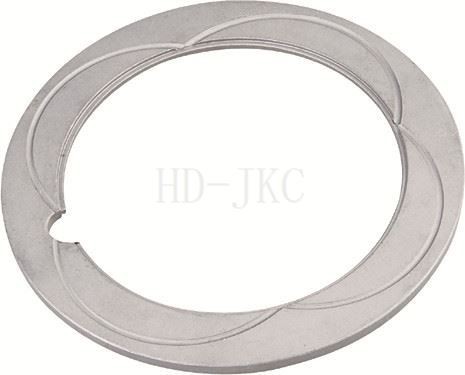
Trunnion bushings are used in applications where there's a need for a pivot point. They can be found in things like heavy machinery, construction equipment, and some types of valves. Trunnion Washer and Trunnion Shaft Bushing are two specific types of trunnion bushings. The trunnion washer provides a smooth surface for rotation, while the trunnion shaft bushing supports the shaft and reduces friction.
Material Selection
As I mentioned earlier, the material of the bushing is a big deal. Here are some of the most common materials and their characteristics.
Metal Bushings
Metal bushings, such as bronze and steel, are known for their strength and durability. Bronze bushings have good wear resistance and can handle high loads. They're often used in heavy - duty applications, like in mining equipment and large industrial machines. Steel bushings are also strong and can be heat - treated to improve their hardness and wear resistance. They're commonly used in automotive and aerospace applications.
Plastic Bushings
Plastic bushings are lightweight, affordable, and have low friction coefficients. They're easy to machine and can be made into complex shapes. Some plastics, like PTFE (Teflon), have excellent chemical resistance and can be used in corrosive environments. However, plastic bushings may not be as strong as metal bushings and may have limitations in high - load or high - temperature applications.
Rubber Bushings
Rubber bushings are great for absorbing shocks and vibrations. They're flexible and can isolate noise. They're commonly used in automotive suspension systems, as well as in some types of electrical and electronic equipment. Rubber bushings can be made from different types of rubber, each with its own properties, such as hardness and resistance to heat and chemicals.
Lubrication
Lubrication is an important aspect of bushing performance. Proper lubrication can reduce friction, wear, and heat generation. There are different types of lubricants available, including oil, grease, and dry lubricants.
Oil Lubrication
Oil lubrication is often used in high - speed applications. It can provide continuous lubrication and can carry away heat. However, oil lubrication requires a more complex system to ensure proper distribution and containment.
Grease Lubrication
Grease lubrication is simpler and more commonly used. Grease stays in place better than oil and can provide long - term lubrication. It's suitable for a wide range of applications, from light - duty to heavy - duty. However, grease can break down over time and may need to be replaced periodically.
Dry Lubricants
Dry lubricants, like graphite or molybdenum disulfide, are used in applications where traditional lubricants can't be used, such as in clean or high - temperature environments. They can provide lubrication without the need for a liquid or semi - liquid lubricant.
Making the Final Decision
Once you've considered all the factors above, it's time to make the final decision. You should also consult with a bushing expert or supplier, like me. We can provide you with more detailed information and help you choose the right bushing for your specific application.
When you're comparing different bushings, look at things like the price, the quality, and the availability. Sometimes, a slightly more expensive bushing may be a better long - term investment because it'll last longer and perform better. Also, make sure the bushing you choose is compatible with the other components in your system.
If you're still not sure which bushing is right for you, don't hesitate to reach out. As a bushing supplier, I've got the knowledge and experience to help you make the best choice. Whether you need a bushing for a small DIY project or a large industrial application, I can assist you in finding the perfect fit. So, if you're in the market for bushings, let's start a conversation and get you the right product for your needs.
References
- "Mechanical Design Handbook" by Robert C. Juvinall and Kurt M. Marshek
- "Handbook of Lubrication and Tribology, Volume II: Applications" by Bhushan Bharat


