


A vacuum brake pump system is a critical component in modern vehicles, ensuring reliable braking performance. However, like any mechanical system, it can develop issues over time, and one common problem is a vacuum leak. In this blog post, I'll share some insights on how to repair a vacuum leak in a vacuum brake pump system, drawing on my experience as a VACUUM BRAKE PUMP supplier.
Understanding the Vacuum Brake Pump System
Before we dive into the repair process, it's essential to understand how a vacuum brake pump system works. The primary function of this system is to assist the driver in applying the brakes with less effort. The vacuum brake pump creates a vacuum, which is used to boost the force applied to the brake pedal. This vacuum is then transferred to the brake booster, which multiplies the force and applies it to the brake master cylinder.
The system consists of several components, including the vacuum pump, vacuum lines, brake booster, and check valve. A vacuum leak can occur in any of these components, leading to a loss of vacuum and reduced braking performance.
Identifying a Vacuum Leak
The first step in repairing a vacuum leak is to identify its source. Here are some common signs that indicate a vacuum leak in a vacuum brake pump system:

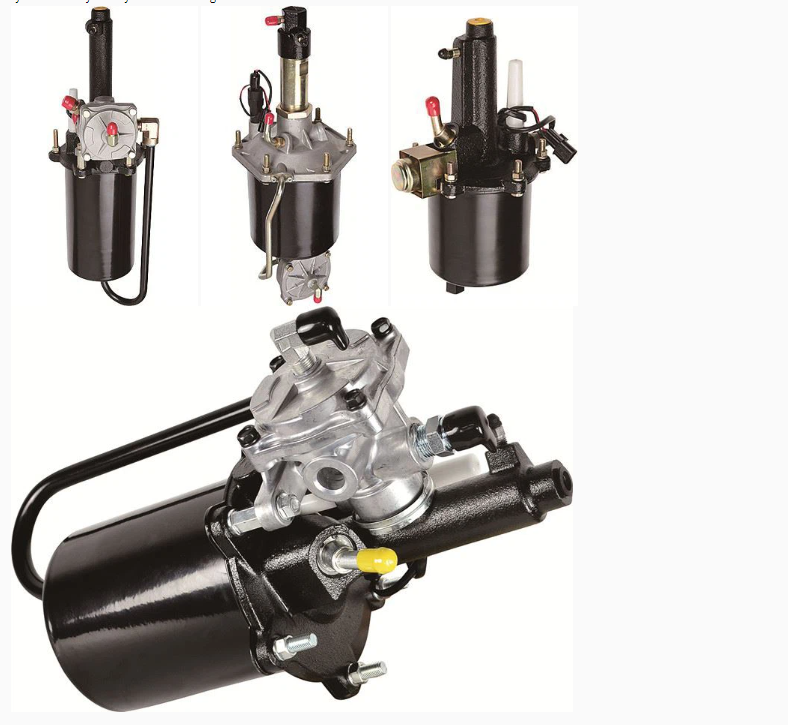
- Hard Brake Pedal: If you notice that the brake pedal is harder to press than usual, it could be a sign of a vacuum leak. A loss of vacuum reduces the assistance provided by the brake booster, making it more difficult to apply the brakes.
- Hissing Noise: A hissing sound near the engine or the brake booster area is a clear indication of a vacuum leak. The sound is caused by air rushing into the system through the leak.
- Poor Braking Performance: A vacuum leak can also result in reduced braking performance. You may notice that the vehicle takes longer to stop or that the brakes feel less responsive.
- Engine Performance Issues: In some cases, a vacuum leak can affect the engine's performance. You may experience rough idling, stalling, or a decrease in power.
Locating the Leak
Once you've identified the signs of a vacuum leak, the next step is to locate the source of the leak. Here are some methods you can use to find the leak:
- Visual Inspection: Start by visually inspecting the vacuum lines, connections, and components for any signs of damage or wear. Look for cracks, holes, or loose connections. Pay special attention to areas where the lines are exposed to heat or vibration.
- Smoke Test: A smoke test is a more advanced method for locating vacuum leaks. You can use a smoke machine to introduce smoke into the vacuum system. The smoke will escape through the leak, making it easier to identify the source.
- Pressure Test: A pressure test can also be used to locate a vacuum leak. You can use a vacuum gauge to measure the pressure in the system. If the pressure is lower than normal, it indicates a leak.
Repairing the Leak
Once you've located the source of the leak, you can proceed with the repair. Here are some common methods for repairing a vacuum leak in a vacuum brake pump system:
- Replace Damaged Vacuum Lines: If you find a cracked or damaged vacuum line, the best solution is to replace it. Make sure to use the correct type and size of vacuum line for your vehicle. You can find replacement vacuum lines at your local auto parts store or from a Truck Brake Booster For Sale.
- Tighten Loose Connections: If the leak is caused by a loose connection, you can try tightening the connection using a wrench or pliers. Make sure not to overtighten the connection, as this can damage the components.
- Replace Faulty Components: If the leak is coming from a faulty component, such as the brake booster or the check valve, you may need to replace the component. You can find replacement components at your local auto parts store or from a reputable supplier.
- Seal the Leak: In some cases, you may be able to seal the leak using a sealant or adhesive. However, this method is only suitable for small leaks and may not provide a permanent solution.
Testing the Repair
After you've repaired the vacuum leak, it's important to test the system to ensure that the repair was successful. Here are some steps you can take to test the system:
- Check the Vacuum Pressure: Use a vacuum gauge to measure the pressure in the system. The pressure should be within the manufacturer's specifications. If the pressure is still low, it may indicate that there is still a leak in the system.
- Test the Brakes: Take the vehicle for a test drive and test the brakes. Make sure that the brake pedal feels normal and that the brakes are responsive. If you notice any issues, such as a hard brake pedal or poor braking performance, there may still be a problem with the system.
- Monitor the System: Keep an eye on the system for a few days after the repair. If you notice any new signs of a vacuum leak, such as a hissing sound or a hard brake pedal, it's important to have the system checked again.
Preventing Vacuum Leaks
To prevent vacuum leaks in the future, it's important to maintain your vacuum brake pump system regularly. Here are some tips to help you keep your system in good condition:
- Inspect the Vacuum Lines: Regularly inspect the vacuum lines for any signs of damage or wear. Replace any damaged or worn lines immediately.
- Check the Connections: Make sure that all the connections in the system are tight and secure. Tighten any loose connections as needed.
- Replace the Check Valve: The check valve is a critical component in the vacuum brake pump system. It prevents air from flowing back into the system when the engine is off. Replace the check valve at the recommended intervals to ensure that it is functioning properly.
- Use Quality Components: When replacing any components in the system, make sure to use high-quality parts from a reputable supplier. This will help ensure that the system performs reliably and lasts longer.
Conclusion
Repairing a vacuum leak in a vacuum brake pump system is a relatively straightforward process, but it requires some knowledge and experience. By following the steps outlined in this blog post, you can identify and repair a vacuum leak in your vehicle's vacuum brake pump system. If you're not comfortable performing the repair yourself, it's always a good idea to take your vehicle to a professional mechanic.
As a VACUUM BRAKE PUMP supplier, we offer a wide range of high-quality vacuum brake pumps and related components. If you're in the market for a new vacuum brake pump or need replacement parts for your system, Relay Valve for Air Master or Clutch Booster Price in India, please feel free to contact us. We'll be happy to assist you with your purchase and provide you with the information you need to make an informed decision.
References
- Haynes Repair Manuals
- Chilton's Auto Repair Manuals
- Automotive Service: Inspection, Maintenance, Repair by James D. Halderman


