


Hey there! As a supplier of Trunnion Washers, I often get asked about how to measure these little but crucial components. So, I thought I'd share some tips and tricks on how to measure a trunnion washer accurately. Whether you're a DIY enthusiast or a professional mechanic, getting the right measurements is key to ensuring a proper fit and optimal performance.
Why Measuring a Trunnion Washer Matters
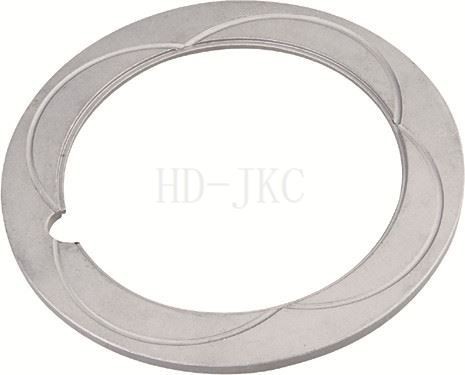
First off, let's talk about why measuring a trunnion washer is so important. A trunnion washer is a type of bearing that helps support and guide a trunnion shaft. It's commonly used in automotive, industrial, and agricultural applications, where it plays a vital role in reducing friction and wear between moving parts. If the washer isn't the right size or shape, it can cause all sorts of problems, from premature wear and tear to reduced performance and even safety issues. That's why it's essential to measure the washer correctly before you install it.
Tools You'll Need
Before you start measuring, you'll need a few tools. Here's what you'll need:
- Calipers: A good pair of calipers is essential for measuring the dimensions of the washer accurately. You can use either digital or analog calipers, depending on your preference and budget.
- Micrometer: A micrometer is a more precise measuring tool that can be used to measure the thickness of the washer. It's especially useful if you need to measure the washer to within a few thousandths of an inch.
- Ruler: A ruler can be used to measure the outer diameter of the washer. It's not as precise as calipers or a micrometer, but it can give you a general idea of the size of the washer.
- Surface Plate: A surface plate is a flat, smooth surface that can be used to ensure that the washer is sitting flat and level while you're measuring it. This can help you get more accurate measurements.
Step-by-Step Guide to Measuring a Trunnion Washer
Now that you have the tools you need, let's get started on measuring the washer. Here's a step-by-step guide:
- Clean the Washer: Before you start measuring, make sure the washer is clean and free of any dirt, debris, or oil. This will help you get more accurate measurements.
- Measure the Outer Diameter: Use your calipers or ruler to measure the outer diameter of the washer. Place the calipers or ruler across the widest part of the washer and take the measurement. Make sure you measure the washer at several points around the circumference to ensure that it's circular and not oval-shaped.
- Measure the Inner Diameter: Use your calipers to measure the inner diameter of the washer. Place the calipers inside the washer and take the measurement. Again, make sure you measure the washer at several points around the circumference to ensure that it's circular and not oval-shaped.
- Measure the Thickness: Use your micrometer to measure the thickness of the washer. Place the micrometer on the washer and take the measurement. Make sure you measure the washer at several points around the circumference to ensure that it's uniform in thickness.
- Check the Surface Finish: Use your fingers or a magnifying glass to check the surface finish of the washer. The surface should be smooth and free of any scratches, burrs, or other defects. If you notice any defects, the washer may not be suitable for use.
- Compare the Measurements: Once you have measured the washer, compare the measurements to the specifications provided by the manufacturer. Make sure the washer meets the required dimensions and tolerances. If the washer doesn't meet the specifications, it may not fit properly or may not perform as expected.
Tips for Measuring a Trunnion Washer
Here are some tips to help you measure a trunnion washer accurately:
- Use the Right Tools: Make sure you use the right tools for the job. Calipers, micrometers, and rulers are all essential for measuring the dimensions of the washer accurately.
- Measure at Multiple Points: To ensure that the washer is circular and uniform in thickness, measure it at multiple points around the circumference. This will help you detect any variations in the dimensions.
- Take Your Time: Measuring a trunnion washer requires patience and precision. Take your time and make sure you measure the washer carefully to avoid making any mistakes.
- Check the Surface Finish: The surface finish of the washer is just as important as its dimensions. Make sure the surface is smooth and free of any defects before you install the washer.
- Compare the Measurements: Always compare the measurements of the washer to the specifications provided by the manufacturer. This will help you ensure that the washer meets the required dimensions and tolerances.
Conclusion
Measuring a trunnion washer is a simple but important task that can help you ensure a proper fit and optimal performance. By following the steps outlined in this guide and using the right tools, you can measure the washer accurately and avoid any potential problems. If you have any questions or need further assistance, don't hesitate to contact us. We're a leading supplier of Trunnion Washer, Trunnion Shaft Bushing, and Spring Bushing for Suspension Parts, and we're always happy to help.
If you're in the market for high-quality trunnion washers or other types of bushings, we invite you to get in touch with us to discuss your needs. We offer a wide range of products at competitive prices, and we're committed to providing our customers with the best possible service. So, don't wait any longer – contact us today to start your procurement process!

References
- "Trunnion Washer Basics." Machinery Lubrication, [Date Accessed].
- "How to Measure Bearings." Bearing Tips, [Date Accessed].


