


Do electric trucks have different steering arms compared to diesel trucks?
In the ever - evolving world of the trucking industry, the shift towards electric vehicles (EVs) is becoming more and more prominent. As a Truck Steering Arm supplier, I've been closely observing the changes and differences between electric trucks and their diesel - powered counterparts, especially when it comes to steering arms.
The Basics of Steering Arms in Trucks
Before delving into the differences between electric and diesel trucks, it's essential to understand the fundamental role of a steering arm in a truck. A steering arm is a critical component in the steering system. It connects the steering gear to the steering knuckle, translating the rotational motion from the steering wheel into linear motion at the wheels, allowing the driver to control the direction of the vehicle.
The design and construction of a steering arm need to meet several requirements. It must be strong enough to withstand the forces exerted during steering, which can be quite substantial, especially in heavy - duty trucks. Additionally, it should provide precise control and a smooth steering feel for the driver.
Electric Trucks: A New Era in Trucking
Electric trucks are emerging as a viable alternative to diesel trucks, driven by factors such as environmental concerns, lower operating costs, and technological advancements. Unlike diesel trucks that rely on internal combustion engines, electric trucks are powered by electric motors. This fundamental difference in power source can have a cascading effect on various components of the truck, including the steering system.
One of the key characteristics of electric trucks is their instant torque delivery. Electric motors can generate maximum torque from zero RPM, providing quick acceleration. This rapid acceleration can put different stress patterns on the steering system compared to diesel trucks. For example, during sudden starts, the steering arm in an electric truck may experience higher initial forces as the wheels start to turn more rapidly.
Design Differences in Steering Arms
When it comes to the design of steering arms, there are indeed some potential differences between electric and diesel trucks.
Material Selection
In electric trucks, due to the potential for higher initial forces during acceleration, the steering arm may require a different material or a more optimized material treatment. For instance, high - strength alloys might be more commonly used in electric truck steering arms. These alloys can offer better strength - to - weight ratios, which is beneficial for electric trucks as reducing weight can improve battery efficiency and overall range. In contrast, diesel trucks, which have a more gradual power delivery, may be able to use more traditional steel materials for their steering arms.
Geometric Design
The geometric design of the steering arm can also vary. Electric trucks often have a different layout of components under the hood due to the absence of a large internal combustion engine. This can lead to different packaging requirements for the steering system. As a result, the steering arm in an electric truck may have a different shape or length to accommodate the new arrangement of parts. For example, it may need to be shorter or have a more curved design to fit around the electric motor and battery packs.
Performance and Handling
The differences in steering arms can also impact the performance and handling of electric and diesel trucks.
Steering Response
The instant torque of electric trucks can lead to a more responsive steering feel. The steering arm, being a crucial part of the steering system, plays a role in this. A well - designed steering arm in an electric truck can enhance the responsiveness, allowing the driver to make quick and precise steering adjustments. Diesel trucks, on the other hand, may have a more gradual steering response due to the nature of their power delivery.
Stability
Stability is another important aspect. The different stress patterns on the steering arm in electric trucks can affect the overall stability of the vehicle. A properly designed steering arm in an electric truck should be able to maintain stability during high - torque maneuvers, such as sharp turns at low speeds or sudden lane changes. Diesel trucks, with their more predictable power delivery, may have different stability requirements for their steering arms.
Compatibility and Adaptability
As a Truck Steering Arm supplier, one of the challenges we face is ensuring compatibility and adaptability. Many truck manufacturers are in the process of transitioning from diesel to electric trucks, and there is a need for steering arms that can be used in both types of vehicles or can be easily adapted.
We are constantly working on developing steering arms that can meet the requirements of both electric and diesel trucks. This involves using modular designs and advanced manufacturing techniques. For example, we can design a steering arm with adjustable features that can be fine - tuned to fit different truck models, whether they are electric or diesel.
Other Related Components
The steering arm is not the only component in the steering system, and it also interacts with other parts. For example, the Truck Clutch Release Bearing is an important part of the overall drivetrain and can have an impact on the steering system indirectly. In electric trucks, the clutch release bearing may have different operational characteristics due to the absence of a traditional clutch in some electric drivetrains.
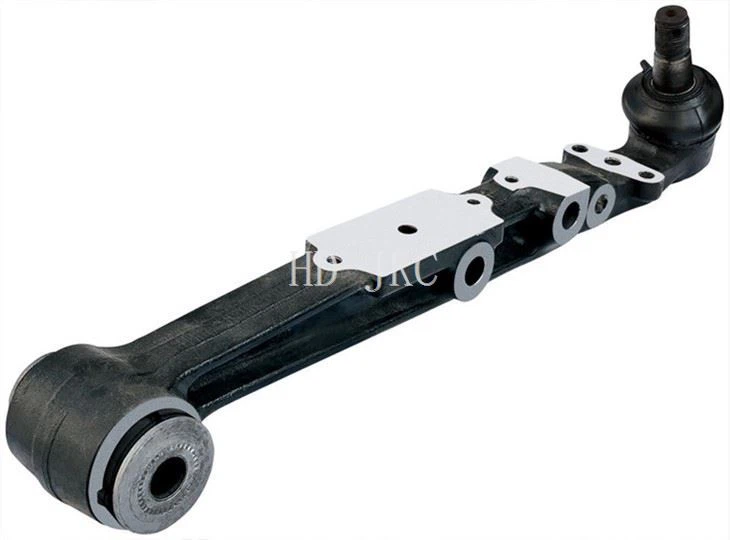

Another related component is the Universal Truck Tire Carrier. The weight and balance of the truck, which can be affected by the tire carrier, can influence the forces acting on the steering arm. In electric trucks, where weight management is crucial, the design of the tire carrier may be optimized to reduce weight and ensure proper balance, which in turn can affect the performance of the steering arm.
Conclusion and Call to Action
In conclusion, electric trucks do have some differences in their steering arms compared to diesel trucks. These differences stem from the fundamental differences in power source, acceleration characteristics, and overall vehicle design. As a Truck Steering Arm supplier, we are at the forefront of understanding these differences and developing steering arms that can meet the unique requirements of both electric and diesel trucks.
If you are in the market for high - quality steering arms for your trucks, whether they are electric or diesel, we invite you to reach out to us. We have a team of experts who can provide in - depth consultations and customized solutions to meet your specific needs. Let's work together to ensure the optimal performance and safety of your trucks.
References
- "Automotive Steering Systems: Fundamentals, Mechatronics, and Modeling" by Bernhard Eckert
- "Electric Vehicle Technology Explained" by John Hayes
- Industry reports from major truck manufacturers and research institutions on electric and diesel truck development.


