


As a supplier of Trunnion Washers, I often encounter inquiries from customers regarding the suitability of our products in various environments, especially corrosive ones. This blog post aims to delve into the question: Can I use a trunnion washer in a corrosive environment?
Understanding Trunnion Washers
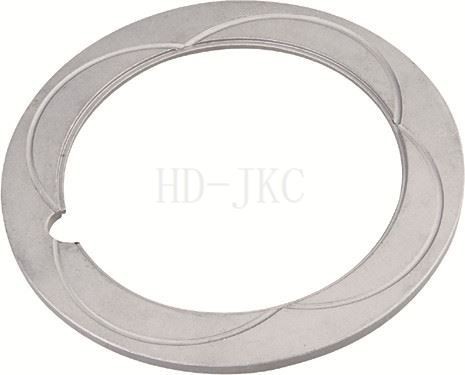
Before we discuss the compatibility of trunnion washers with corrosive environments, let's first understand what trunnion washers are. Trunnion washers are essential components in many mechanical systems. They are designed to provide support, reduce friction, and ensure proper alignment between different parts. You can find more information about Trunnion Washers on our website.
These washers are typically used in applications where there is a need for a smooth and stable connection between rotating or moving parts. For example, in automotive suspension systems, trunnion washers play a crucial role in ensuring the proper functioning of the suspension components. They are also used in industrial machinery, aerospace applications, and many other fields.
Corrosive Environments: What Are They?
Corrosive environments are characterized by the presence of substances that can cause the deterioration of materials over time. These substances can include chemicals, moisture, salts, and acids. Some common examples of corrosive environments include coastal areas where the air is filled with saltwater mist, chemical processing plants where various corrosive chemicals are used, and sewage treatment facilities where the water contains high levels of acids and other corrosive substances.
In a corrosive environment, the materials used in mechanical components are constantly exposed to these corrosive agents. If the materials are not resistant to corrosion, they can experience rusting, pitting, and other forms of degradation, which can ultimately lead to the failure of the components.
Factors Affecting the Use of Trunnion Washers in Corrosive Environments
When considering whether to use a trunnion washer in a corrosive environment, several factors need to be taken into account:
Material Selection
The material of the trunnion washer is one of the most critical factors. Different materials have different levels of corrosion resistance. For example, stainless steel is a popular choice for applications in corrosive environments because it contains chromium, which forms a passive oxide layer on the surface of the metal, protecting it from corrosion. Other corrosion-resistant materials include titanium, brass, and certain types of plastics.
If the trunnion washer is made of a material that is not resistant to corrosion, it will quickly degrade in a corrosive environment. This can lead to a loss of functionality, increased friction, and even the failure of the entire mechanical system.
Coating and Surface Treatment
In addition to material selection, the coating and surface treatment of the trunnion washer can also significantly improve its corrosion resistance. For example, a zinc coating can provide a sacrificial layer that corrodes before the base metal, protecting the washer from rusting. Other surface treatments, such as powder coating or anodizing, can also enhance the corrosion resistance of the washer.
However, it's important to note that the effectiveness of the coating or surface treatment depends on the quality of the application and the type of corrosive environment. In some cases, the coating may wear off over time, exposing the base metal to corrosion.
Environmental Conditions
The specific environmental conditions in which the trunnion washer will be used also play a crucial role. Factors such as the temperature, humidity, pH level, and the concentration of corrosive substances can all affect the rate of corrosion. For example, in a high-temperature and high-humidity environment, the corrosion process can be accelerated.
Moreover, the type of corrosive substances present in the environment can also determine the appropriate material and coating for the trunnion washer. For instance, if the environment contains strong acids, a material that is resistant to acid corrosion, such as titanium, may be required.
Benefits of Using Trunnion Washers in Corrosive Environments
Despite the challenges posed by corrosive environments, there are several benefits to using trunnion washers in such settings:
Improved Performance
Trunnion washers are designed to provide smooth and stable support, which can help improve the performance of the mechanical system. Even in a corrosive environment, a properly selected and maintained trunnion washer can ensure the proper alignment and operation of the components, reducing friction and wear.
Extended Service Life
By using corrosion-resistant materials and appropriate surface treatments, the service life of the trunnion washer can be significantly extended. This can reduce the frequency of replacement and maintenance, saving both time and money in the long run.
Compatibility with Other Components
Trunnion washers are often used in conjunction with other components, such as Spring Bushing for Suspension Parts and Trunnion Shaft Bushing. By ensuring the compatibility of these components in a corrosive environment, the overall reliability and performance of the system can be enhanced.
Precautions and Maintenance
If you decide to use trunnion washers in a corrosive environment, it's important to take some precautions and perform regular maintenance:

Regular Inspection
Regularly inspect the trunnion washers for signs of corrosion, wear, or damage. If any issues are detected, replace the washers immediately to prevent further damage to the system.
Cleaning and Lubrication
Clean the trunnion washers regularly to remove any dirt, debris, or corrosive substances that may have accumulated on the surface. Apply a suitable lubricant to reduce friction and protect the washers from corrosion.
Monitoring Environmental Conditions
Monitor the environmental conditions in which the trunnion washers are used. If the conditions change significantly, such as an increase in the concentration of corrosive substances or a change in temperature and humidity, take appropriate measures to protect the washers.
Conclusion
In conclusion, it is possible to use a trunnion washer in a corrosive environment, but it requires careful consideration of several factors, including material selection, coating and surface treatment, and environmental conditions. By choosing the right materials and taking appropriate precautions, trunnion washers can provide reliable performance and extended service life in corrosive settings.
If you are interested in purchasing trunnion washers or have any questions about their suitability for your specific application, please feel free to contact us for further discussion and negotiation. We are committed to providing high-quality products and professional solutions to meet your needs.
References
- ASM Handbook Volume 13A: Corrosion: Fundamentals, Testing, and Protection.
- ASTM International Standards on Corrosion Testing and Evaluation.
- Machinery's Handbook, 31st Edition.


