


Company Profile
Quanzhou Xinlida Machinery Manufactory Co., Ltd. was founded in 1995, located in the Southeast of China, cultural city called Quanzhou, where the " Silk Road" started. Quanzhou is known as a "garden city", and enjoys a beautiful environment and convenient transportation.
In 2008 passed the ISO9001 international quality management system certification, in 2014 passed ISO/TS16949 quality system. Our market covers countries from Southeast Asia to Middle East Area, Europe, America etc.

Why Choose Us
Our Factory
Xinlida is a professional manufacturer and exporter of Spare Parts for European and Japanese Auto Chassis Parts, such as Clutch Booster, Brake Air Master Booster, Repair Kit, King Pin Kit, Trunnion Seat and so on. The soul of Xinlida is " professionalism, innovation, quality, and dedication", running with modern enterprise management.
Our Certificate
SGS ISO9001, TUV ISO/TS16949
Production Equipment
Eight PCS CNC machines, One Automotive casting Machine, and One Testing Room
Our Product
Clutch Booster, Air Master Booster, Foot Valve, Relay Valve, Power Shift Booster, Servo Pump, Slave Pump, Master Pump, Booster Repair Kit, King Pin Kit, Trunnion Shaft, Trunnion Seat, Propeller Shaft, Trunnion Bush, Trunnion Washer, Tie Rod End, Drag Link End and so on.
BRAKE MASTER CYLINDER SERIES

47160-2452/2041
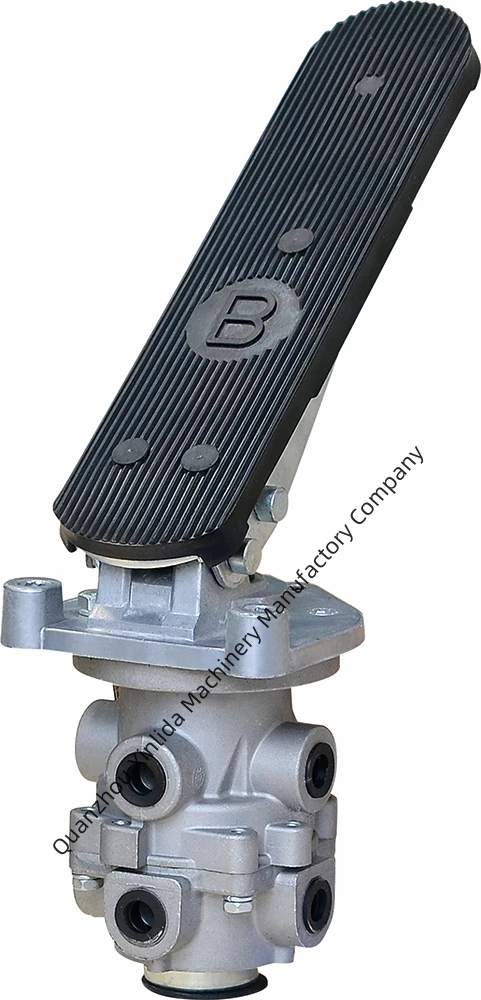
241-02904
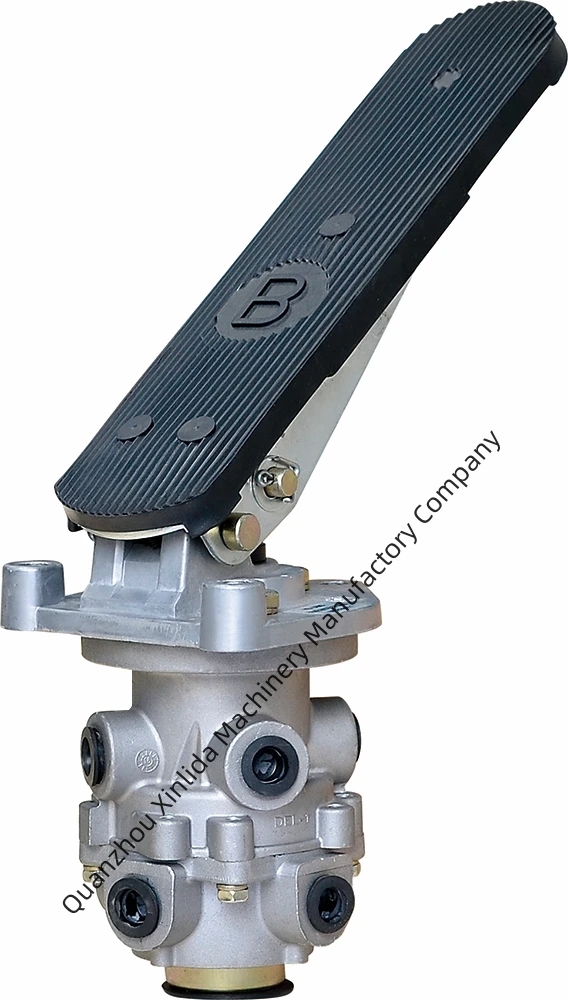
241-02903

45101-00Z73

47160-3311
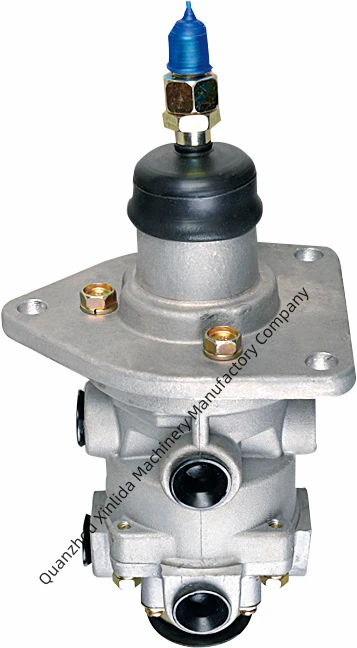
1-48100740-3
What is Brake Master Cylinder?
A brake master cylinder is a critical component in a truck's hydraulic braking system, responsible for converting the force applied to the brake pedal into hydraulic pressure. This pressure is then transmitted through brake lines to activate the brake calipers or wheel cylinders, allowing the vehicle to slow down or stop effectively. Designed for durability and precision, brake master cylinders ensure consistent braking performance, safety, and reliability in heavy-duty trucks.
Can You Explain the Role of a Brake Master Cylinder?
The brake master cylinder plays a crucial role in a vehicle's hydraulic braking system by converting the mechanical force from the brake pedal into hydraulic pressure. This pressure is then used to engage the braking components, ensuring a smooth and controlled stop.
How It Works:
1. When the driver presses the brake pedal, it pushes a piston inside the master cylinder.
2. This movement pressurizes the brake fluid and sends it through the brake lines to the calipers or wheel cylinders.
3. The increased hydraulic pressure forces the brake pads or shoes to engage the wheels, slowing or stopping the truck.
4. When the brake pedal is released, the pressure decreases, and the brakes return to their normal position.
Why It's Important:
1. Ensures smooth and efficient braking
2. Provides consistent hydraulic pressure for safe stopping
3. Works as the primary control unit for the braking system
4. Helps maintain stability and control of the vehicle
How Does the Brake Master Cylinder Work?
The brake master cylinder in a truck is the core component of the hydraulic braking system, responsible for generating and controlling hydraulic pressure to engage the brakes.
1. Pressing the Brake Pedal:
When the driver steps on the brake pedal, a push rod connected to the master cylinder moves a piston inside the cylinder bore.
2. Generating Hydraulic Pressure:
As the piston moves forward, it compresses brake fluid inside the master cylinder, creating hydraulic pressure.
This pressure is transferred through the brake lines to the brake calipers (disc brakes) or wheel cylinders (drum brakes).
3. Engaging the Brakes:
The hydraulic pressure pushes the brake pads (disc brakes) or brake shoes (drum brakes) against the rotating brake drum or disc.
The resulting friction slows down or stops the truck.
4. Releasing the Brakes:
When the driver releases the brake pedal, the piston returns to its original position, allowing brake fluid to flow back into the reservoir, reducing pressure, and releasing the brakes.

Why the Brake Master Cylinder Important in Trucks
Handles Heavy Loads:
Trucks carry significantly heavier loads than passenger cars, requiring a powerful and reliable braking system. The master cylinder ensures that sufficient pressure is generated for effective stopping.
Ensures Safety:
A properly functioning master cylinder prevents brake failure, ensuring that the truck can stop smoothly and efficiently, even under high-speed or emergency conditions.
Provides Stability and Control:
A well-maintained master cylinder ensures consistent braking force across all wheels, preventing skidding or uneven braking, which is crucial for truck handling.
Supports Dual-Circuit Braking:
Most trucks use a dual-circuit master cylinder, meaning if one circuit fails, the other remains functional, adding an extra layer of safety and reliability.
What Are the Troubleshooting Tips for Brake Master Cylinder?
A failing brake master cylinder can lead to braking issues that compromise vehicle safety. Here are some common problems and troubleshooting tips:
1. Spongy or Soft Brake Pedal
🔹 Possible Causes: Air in the brake lines, worn-out seals, or internal leaks.
🔹 Solution:
✔ Bleed the brake system to remove air bubbles.
✔ Check for leaks and replace faulty seals if necessary.
2. Brake Pedal Sinks to the Floor
🔹 Possible Causes: Internal leakage due to worn piston seals or a failing master cylinder.
🔹 Solution:
✔ Inspect for fluid leaks around the master cylinder.
✔ Replace the master cylinder if the seals are damaged.
3. Brake Fluid Leakage
🔹 Possible Causes: Cracked housing, loose connections, or worn-out seals.
🔹 Solution:
✔ Check for leaks near the master cylinder and brake lines.
✔ Tighten fittings or replace the master cylinder if necessary.
4. Contaminated Brake Fluid
🔹 Possible Causes: Moisture in the system, dirt, or deteriorated seals.
🔹 Solution:
✔ Flush and replace brake fluid regularly.
✔ Inspect and replace damaged seals..
🔹 Preventive Maintenance:
✔ Regularly check brake fluid levels and quality.
✔ Inspect for leaks and worn seals.
✔ Bleed the brake system as needed.
✔ Replace the master cylinder if signs of failure persist.
Proper troubleshooting and maintenance of the brake master cylinder help ensure a safe and reliable braking system in your truck.

Xinlida is a professional manufacturer and exporter of Spare Parts for European and Japanese Auto Chassis Parts, such as Clutch Booster, Brake Air Master Booster, Repair Kit, King Pin Kit, Trunnion Seat and so on. The soul of Xinlida is " professionalism, innovation, quality, and dedication", running with modern enterprise management. In 2008 passed the ISO9001 international quality management system certification, in 2014 passed ISO/TS16949 quality system. Our market covers countries from Southeast Asia to Middle East Area, Europe, America etc.
FAQ
Hot Tags: Brake Master Cylinder, China Brake Master Cylinder suppliers, manufacturers, factory, Foot Valve Repair Kit, Drag Link Assy for truck, Foot Brake Valve for Trailer, Drag Link End for Trailer, Spring Cradle for truck, Tire Carrier for Truck Trailer


